

Blog
Privacy and Soundproofing in Paired Homes: How Destination Homes Builds Daybreak Duets

September 30, 2026
Sharing one wall doesn't mean your home has to feel shared.
For buyers considering a townhome, duet, or other type of attached home, there's usually one question that comes up pretty quickly: How much will I hear my neighbors?
It's a fair question.
Your home is supposed to be the place where you can shut the door, settle in, and feel like the space is completely yours. You don't want to spend your evening wondering what is happening on the other side of the wall.
That's part of what makes the Daybreak Duets from Destination Homes different from the traditional attached-home experience many buyers picture.
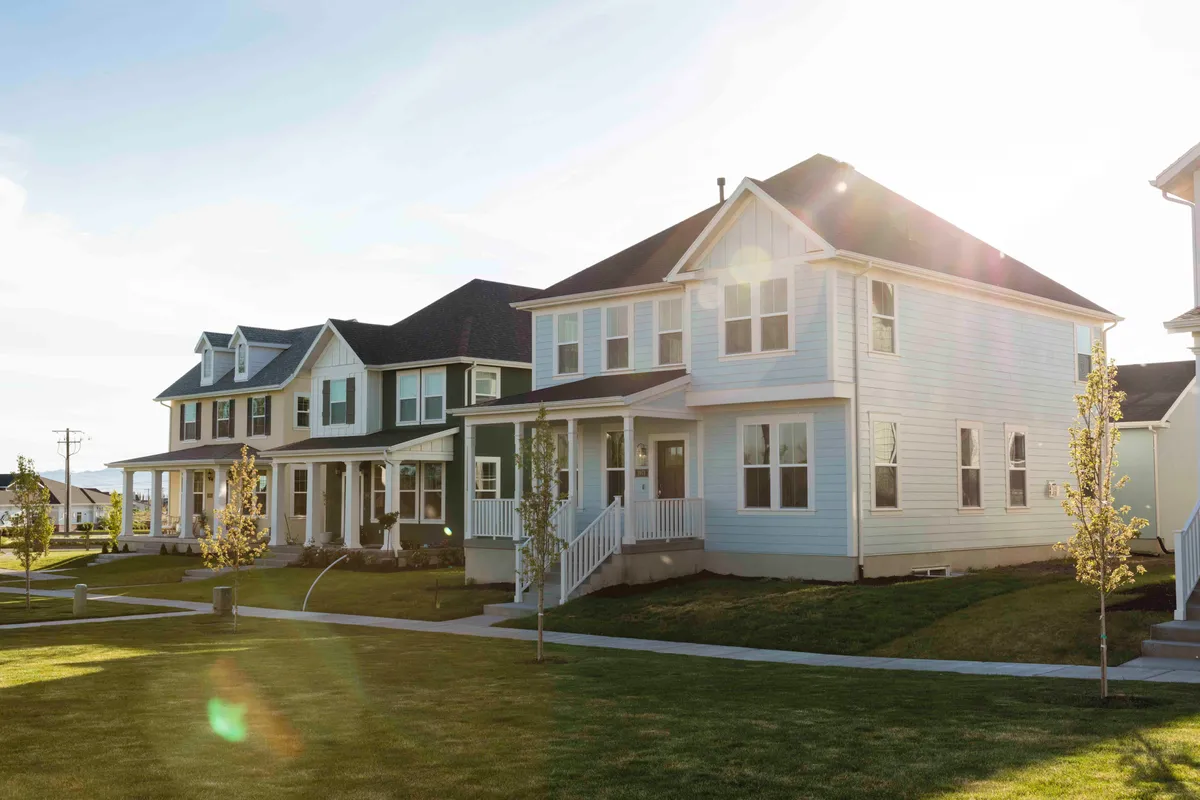
Duets pair just two residences together, creating a home that can offer the ease and efficiency of attached living while maintaining more of the privacy and individuality people associate with a single-family home.
For buyers exploring paired homes in South Jordan, that balance can make all the difference.
What Is a Paired Home?
A paired home brings two individual residences together within one architectural structure.
Think of it as a middle ground between a traditional townhome row and a detached single-family home. Instead of being one residence among several attached homes, each Duet is paired with just one neighbor.
That means one shared side rather than potentially having homes attached on both sides.
It's a simple difference on paper, but when you think about natural light, windows, privacy, exterior character, and how the home feels from the inside, it becomes much more meaningful.
The Question Everyone Asks: Can You Hear Your Neighbor?
Sound is one of the biggest concerns buyers have about attached living. And understandably so.
Nobody wants conversations, televisions, music, footsteps, or the ordinary sounds of daily life to feel like they're happening in their own living room.
How quiet any attached home feels depends on multiple factors, including the construction of the shared wall, the home's layout, the placement of rooms, and how residents use the spaces on either side.
How Shared-Wall Construction Affects Sound
The wall separating two attached residences isn't the same as a standard interior wall between rooms within a home.
Shared-wall assemblies have to satisfy applicable building and fire-separation requirements, and the way those assemblies are designed and constructed also influences how sound moves between residences.
Sound can travel in different ways. Voices, music, and televisions create airborne sound. Movement and physical contact with a structure can create vibrations that travel differently. Managing sound between attached homes therefore involves more than simply making a wall thicker.
Materials, separation, connections between building components, and workmanship can all influence the finished experience. For homebuyers, the important thing is that the shared wall should be treated as an important part of the home's overall design, not as an ordinary interior partition.
Soundproofing Isn't the Only Part of Privacy
When people hear “privacy,” they often think only about noise, but privacy is also visual.
A home can share a wall and still feel distinctly separate from the residence next door when the architecture and floor plan are thoughtfully designed.
That's where the Duet concept becomes particularly interesting.
Fewer Shared Walls Create More Separation
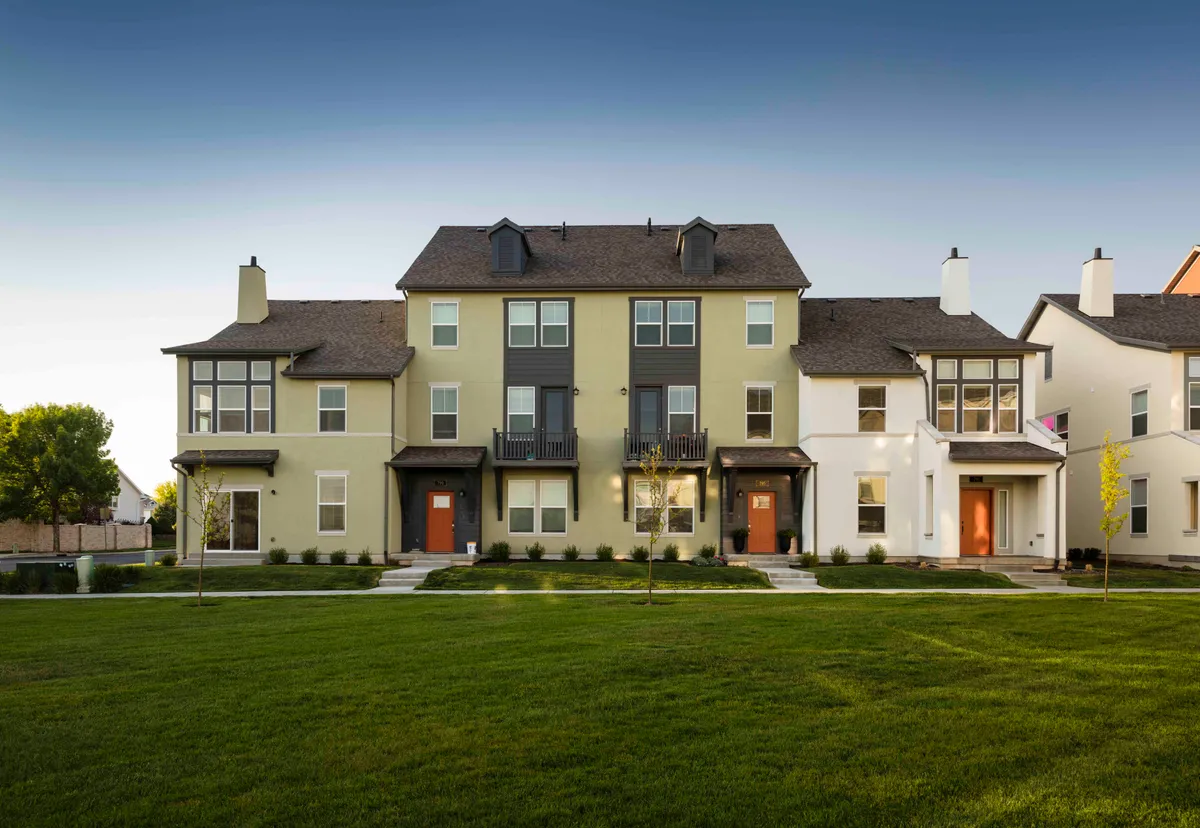
A traditional interior townhome may share walls on both sides while a Duet is paired with only one neighboring residence. This leaves more exterior-facing sides of the home available and helps create a stronger sense of separation. It can also create opportunities for additional windows and natural light depending on the floor plan and orientation.
You still get many of the efficiencies associated with attached living, but you don't feel like you're one home in the middle of a long row.
More Natural Light Can Change the Entire Experience
One of the less obvious advantages of having only one shared side is the opportunity for the home to feel more open.
Windows have an enormous effect on how we experience a room.
Natural light can make spaces feel larger, warmer, and more connected to the outdoors.
With fewer attached sides than many traditional townhome configurations, a paired-home design may allow for more exterior exposure depending on the specific home.
That contributes to the single-family feeling that makes Duets appealing in the first place.
Paired Homes vs. Traditional Townhomes
Both paired homes and townhomes can offer efficient, lower-maintenance ways to own a home.
The biggest difference is often the configuration.
Traditional townhomes are commonly built in rows, with interior residences sharing walls on both sides, while a paired home consists of two residences.
For buyers, that can change the feeling of the home. Fewer shared sides can mean more separation and more opportunities for exterior-facing windows. The architecture can also feel closer to a single-family streetscape.
Neither approach is automatically better for every buyer. It just comes down to the kind of home and lifestyle you're looking for.
Paired Homes vs. Single-Family Homes
A detached single-family home offers complete physical separation from neighboring residences.
For some buyers, that's exactly what they want, but it can also come with more property to maintain, depending on the home and homesite.
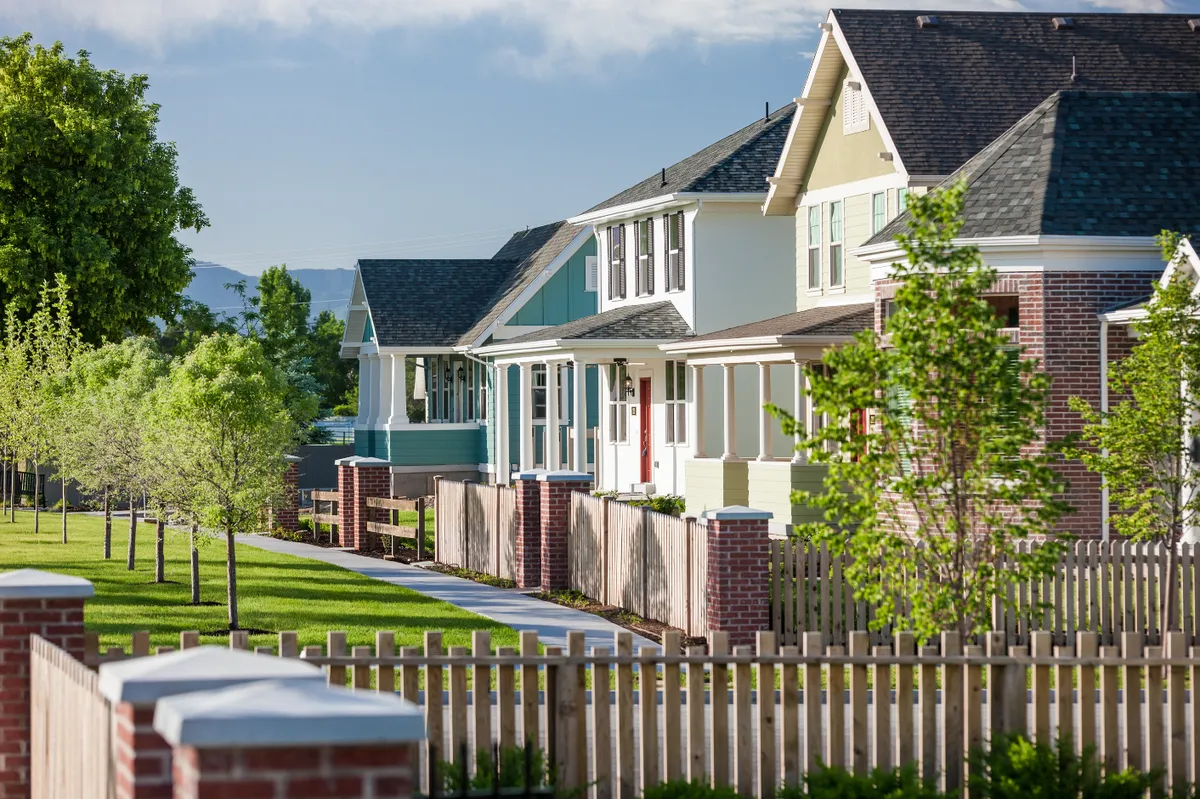
Paired homes offer a different balance. You have one neighboring residence attached to yours, but you can still get the feeling of a distinct home, comfortable interior space, and a more manageable footprint. For someone who wants less maintenance without feeling like they're giving up the idea of having “their own house,” that middle ground can be compelling.
Privacy Doesn't Stop at the Walls of Your Home
Daybreak's approach to community planning creates places for residents to gather outside the home.
Parks, trails, open spaces, recreation, shops, dining, and neighborhood destinations give people room to connect when they want to.
That can create an interesting balance: connection outside, privacy inside.
You can live in a neighborhood where people actually see each other, walk places, and spend time outside without giving up the ability to close your front door and retreat into your own space.
Why Daybreak Works So Well for Paired Homes
Daybreak was designed around a more connected style of neighborhood living.
Homes interact with sidewalks, parks become part of everyday life, walking and biking aren't afterthoughts, and neighborhood destinations give you reasons to leave the car at home.
In that environment, a paired home makes sense.
Instead of dedicating more of your homesite to space you may not need, the home gives you a comfortable private retreat while the larger community provides many of the spaces where life happens outside.
Who Should Consider a Paired Home?
Paired homes aren't designed for one specific stage of life, they're about priorities.
A first-time buyer might appreciate having a home that feels more individual than an apartment or traditional attached row.
A growing household may want comfortable living space without taking on a large property.
A busy professional may prefer spending weekends enjoying Daybreak instead of maintaining more home than they need.
Someone looking to right-size may want less maintenance while keeping the feeling of living in a distinct residence.
The common thread is simple: You want enough space and privacy to feel at home without paying for or maintaining space you don't really need.
A Different Way to Think About Attached Living
Attached housing sometimes comes with assumptions: less privacy, less personality, less of the feeling of having your own home.
But those aren't requirements of attached living, they're design problems, and good design can approach them differently.
The Daybreak Duets are built around the idea that an efficient home can still feel personal, comfortable, light-filled, and distinctly yours.
You don't need the biggest house on the block.
You need a home designed around the way you want to live.
The Destination Homes Approach
At Destination Homes, we believe architecture matters because the details of a home shape everyday life.
Where a window sits matters.
How a room connects to the next matters.
How the home meets the street matters.
And in a paired home, the relationship between neighboring residences matters too.
Bottom Line
Sharing one wall doesn't mean sharing your life.
A thoughtfully designed paired home can offer a balance that's difficult to find elsewhere: the manageable lifestyle of attached housing with more of the privacy, individuality, and space buyers often associate with a single-family home.
Destination Homes' Daybreak Duets were created around that balance.
For buyers exploring paired homes in South Jordan, they're an opportunity to rethink what attached living can look and feel like.
Frequently Asked Questions
What is a paired home?
A paired home consists of two individual residences joined together within one architectural structure. Unlike many traditional townhomes, each residence is attached to only one neighboring home.
Are paired homes private?
A paired home still shares a wall with another residence, but having only one attached neighbor can provide a different sense of privacy and separation than some traditional row-style townhomes. Floor plan and building design also influence the experience.
Can you hear your neighbors in a paired home?
Sound transmission depends on the shared-wall assembly, construction quality, layout, and the type and volume of sound being produced. When touring any attached home, buyers should ask about shared-wall construction and experience the home in person when possible.
What is the difference between a paired home and a townhome?
Paired homes consist of two attached residences, while townhomes are commonly constructed in rows containing multiple residences. This means a paired home has only one attached neighboring residence.
Where are Destination Homes' paired homes located?
Destination Homes offers its Duet home concept in Daybreak in South Jordan, Utah. Current home availability, floor plans, and locations can change as homes are released and sold.